MH 04 04–MOBILEHOME LIENHOLDERS SINGLE INTEREST
(November 2023)
This form addresses the separate and equally important
financial interest in the covered property held by a lender or other third
party. It provides protection for the lienholder against the impairment of its
financial interest in the mobilehome that may be caused by various sources such
as collision or upset of the mobilehome, by conversion
or by embezzlement or secretion of the mobilehome by the named insured.
If the mobilehome is repossessed
from the named insured, the coverage reimburses the lienholder or dealer for
the expenses directly related to transporting the mobilehome from the point of
repossession to the seller's location.
In situations where it is unlikely that the insured will
relocate the mobilehome,
this protection is unnecessary. The dealer or lienholder could probably locate
and repossess the property from the location described on the policy.
Agreement
Under the form’s agreement, the lienholder appearing in the mobilehome declarations is protected against loss to
covered property involving any of the following:
- Collision
- Upset
- Conversion,
embezzlement or secretion when committed by a retail customer or borrower
under a lease, conditional sale, purchase agreement or loan.
|
Example: MobAmDream-Builders
finance a loan for June and Slim Harrison. Two months into the policy term
Slim falls behind on his payments. By the fourth month MobAmDream-Builders
declare a default and repossess the mobilehome.
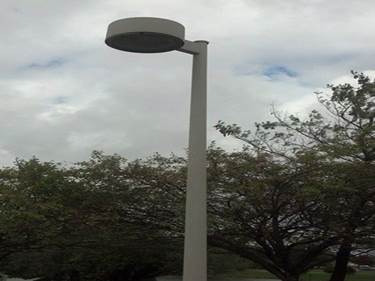
Slim is startled to see his home being transported down the street. He smiles
as he witnesses it swing wide during a turn and smash against a light pole.
That damage to the mobilehome while in transit is covered
only for the interest of MobAmDream-Builders. |
|
Note: Parties who
have a financial interest due to a valid assignment may also be protected by
this form.
Recovery
The scenario for claims payment under this coverage is very
exact and extreme. Review all of the following to determine when recovery is
possible and the duties that must be performed.
a. When the policy term begins, the named insured must be current
on the mobilehome payment.
The named insured cannot be more than 30 days past due on any loan (not just
the one for this particular lienholder) for which the mobilehome is collateral.
b. The lienholder cannot settle any loss on the mobilehome and
expect repayment from the insurance company without written permission from the
insurance company.
c. When there is a covered loss to the mobilehome and the insurance
company requests the lienholder to save, preserve or recover the mobilehome,
the lienholder’s reasonable expenses to do so will be reimbursed by the
insurance
d. The mobilehome
purchaser MUST have defaulted on the payment due. (This would be after the policy
inception date but prior to the expiration date.)
e. The lienholder MUST have repossessed the mobilehome.
f. The purchaser/borrower MUST have abandoned the mobilehome because of a loss
covered under this policy (not limited to only the causes of loss on the MH 04
04 endorsement).
g. If the loss is due to conversion, embezzlement or secretion the
lienholder MUST make reasonable efforts to locate the purchaser in an attempt
to collect overdue payments. If those efforts fail, it must make reasonable efforts
to repossess the mobilehome.
|
Example:
MobileDream Ltd. is a lender that specializes in mobilehome loans. It is listed as a lienholder for
a doublewide mobilehome belonging to the Timpsies. After the Timpsies make payments for a couple
of months, no other payments are made over the next seventh months.
MobileDream discovers that the Timpsies' mobilehome has been moved from
the location listed on the loan papers and the mobilehome policy. MobileDream
files a claim with the policy's insurance carrier. The claim is denied as
MobileDream did not make any efforts to locate the Timpsies to recover any due
payments or to find and repossess the property. |
Lienholders Duties
The lienholder is required to notify the insurance company
when a loss occurs to the mobilehome
but only if that damage could interfere with the lienholder’s interest. The lienholder
is then responsible to protect it from additional loss and if the lienholder
does not act, the insurance company will not pay for any further damage caused
because of the lienholder’s lack of action.
Date of Loss
The date of loss is the day on which the lienholder has
complied with all of the requirements in the Recovery section.
Limits of Liability – Settlement Options
There are four different settlement options and only the
smallest one is paid:
a. If the loss is due to a transit collision or upset the
settlement is based on the cost to repair or replace the mobilehome.
b. The impaired unpaid balance which is not more than 60 days past
due. All carrying charges, interest and insurance is subtracted from that
balance in computing this settlement amount. The lienholder’s interest is
impaired if the value of the mobilehome following the
loss is less than the lienholder’s interest.
c. The actual cash value on the date of loss
d. If the loss is due to conversion, embezzlement or secretion and
the mobilehome is located within 60 days of the loss
date, the cost of transporting it to either the lienholder or the insured’s
address is the settlement amount. The cost to repair damage to the home is not
part of this option.
Insurance Company - Settlement Option
The insurance company has four different manners by which it
can meet its settlement obligations:
(1)
Pay money
(2)
Repair or replace the mobilehome
(3)
Return the property along with payment for
damage provided it is done before the damage is repaired or having aid for the
loss.
(4)
While abandonment by the insured is not
permitted, the insurance company can take any or all of the mobilehome after paying the value that has been agreed
upon or determined through the appraisal process.
Payment of Claim
In an unusual twist, when payment is made under this one
coverage under this endorsement, the amount available to pay claims for other
coverage is reduced by that amount.
Examination of Records
This permits the insurance company to examine the lienholder’s
books and records that would be relevant to this coverage.
Cancellation
If this endorsement is cancelled by request of the insured,
there is no return premium available. If the endorsement is cancelled by the
request of the insurance company, a pro rata return premium is paid.